Industrial Cobots & Collaborative Robot Solutions
As a cornerstone of human-robot collaboration in the Industry 4.0 era, collaborative robots are transforming global manufacturing processes. Unlike traditional industrial robots, industrial cobots leverage advanced sensor technology, intelligent algorithms, and built-in safety mechanisms to work seamlessly alongside humans in shared workspaces. These innovative cobot solutions deliver flexible, intelligent automation, helping businesses adapt to modern production demands.
Today, manufacturers worldwide face critical challenges—labor shortages, the need for higher productivity, and the push toward digital transformation. With their unique ability to enhance efficiency while ensuring safety, collaborative robots have emerged as a key technology to address these industry pain points.
How Collaborative Robots Work
Collaborative robots, or cobots, operate based on four core technical principles: environmental perception, force-controlled safety mechanisms, intelligent decision-making, and natural human interaction. These industrial cobots are designed to work seamlessly alongside humans, combining advanced sensing and adaptive control for safe and efficient collaboration.
- Sensor Fusion for Environmental Awareness
The foundation of a cobot’s perception lies in sensor fusion technology. By integrating multi-modal sensors such as cameras, LiDAR, and force/torque sensors, collaborative robots create real-time 3D models of their surroundings and track dynamic objects. This enables precise environmental awareness during operation. Advanced 3D vision allows cobots to recognize object shapes, positions, and even human gestures, supporting dynamic path planning and giving them “eyes” for intelligent navigation.
- Force Control and Safety Mechanisms
A key differentiator between industrial cobots and traditional robots is their force-sensitive safety systems. Using built-in joint torque sensors, cobots can detect unexpected contact forces. If interaction exceeds safe thresholds (below 50N—equivalent to holding an apple), the system triggers a response within 50 milliseconds, either slowing movement or stopping entirely. This minimizes collision risks, keeping contact forces well below human tissue injury limits.
- AI-Driven Decision Making
Machine learning enables cobots to predict human actions, optimize task allocation, and adjust motion paths in real time. Adaptive algorithms allow these robots to operate efficiently in dynamic environments while avoiding collisions. The decision-making layer employs state machines, A*/TEB path planning, behavior trees, and AI models to ensure intelligent, context-aware responses.
- Intuitive Human-Robot Interaction
User-friendly interfaces like voice commands, gesture control, and graphical programming lower the barrier to operation. Real-time feedback through LED indicators, audio cues, and displays keeps human operators informed of the cobot’s status. This natural interaction makes cobot solutions accessible even to non-specialists.
Perception → Decision → Execution Framework
Collaborative robots follow a three-layer architecture for closed-loop control:
- Perception Layer: Combines visual, force, and tactile sensors to monitor both environment and robot state. Multi-sensor fusion provides the data foundation for adaptive behavior.
- Decision Layer: Uses machine learning and path-planning algorithms (e.g., behavior trees, predictive models) to dynamically adjust actions. This enables collision avoidance and efficient task execution.
- Execution Layer: Employs compliant actuators like servo motors and pneumatic systems for responsive, low-inertia movement. The robot’s arm and end-effectors perform precise operations while maintaining safety.
This modular design allows industrial cobots to adapt across diverse applications, from assembly to quality inspection. By balancing precision with inherent safety, cobot solutions redefine productivity in shared workspaces.
How to Choose the Right Collaborative Robot
Selecting the ideal collaborative robot (cobot) requires a comprehensive evaluation of multiple technical and economic factors, following a systematic approach. Industry best practices suggest prioritizing “scenario suitability first, parameter matching second” when making your decision.
- Safety is the most critical factor in choosing industrial cobots. Key safety metrics include collision detection sensitivity (industry standards recommend 3-5N as the shutdown trigger), functional safety certifications (such as ISO 10218-1 and TUV), and protection ratings (IP54 or higher for industrial environments).These safety features are non-negotiable, as they directly impact human-robot collaboration security.
- Performance accuracy determines how well cobot solutions will perform in specific applications. For high-precision tasks, look for repeatability within ±0.03mm and trajectory control response cycles under 10ms. Precision requirements vary significantly by application—medical applications may need ±0.02mm accuracy, while general assembly tasks can tolerate ±0.1mm.
- Flexibility and adaptability metrics include payload capacity (3kg-30kg covers most industrial needs), reach (600mm-2000mm), and user-friendly programming options (like drag-and-teach or graphical interfaces that lower skill barriers). These factors influence how easily the robot can be deployed across different tasks.
- Reliability and compatibility are equally important. Look for a mean time between failures (MTBF) of at least 80,000 hours, support for common communication protocols (Modbus, Ethernet/IP), and compatibility with third-party systems (vision systems, mobile platforms, etc.).
- Cost-effectiveness should account for the initial purchase price, maintenance expenses, energy efficiency, and lifespan. For example, CHINAROBOTS’ collaborative robots typically range from $3,000 to $20,000, with a payback period as short as three months in many cases.
By carefully evaluating these factors, businesses can select the most suitable cobot solutions for their specific operational needs.
2025 Top Selling Collaborative Robot
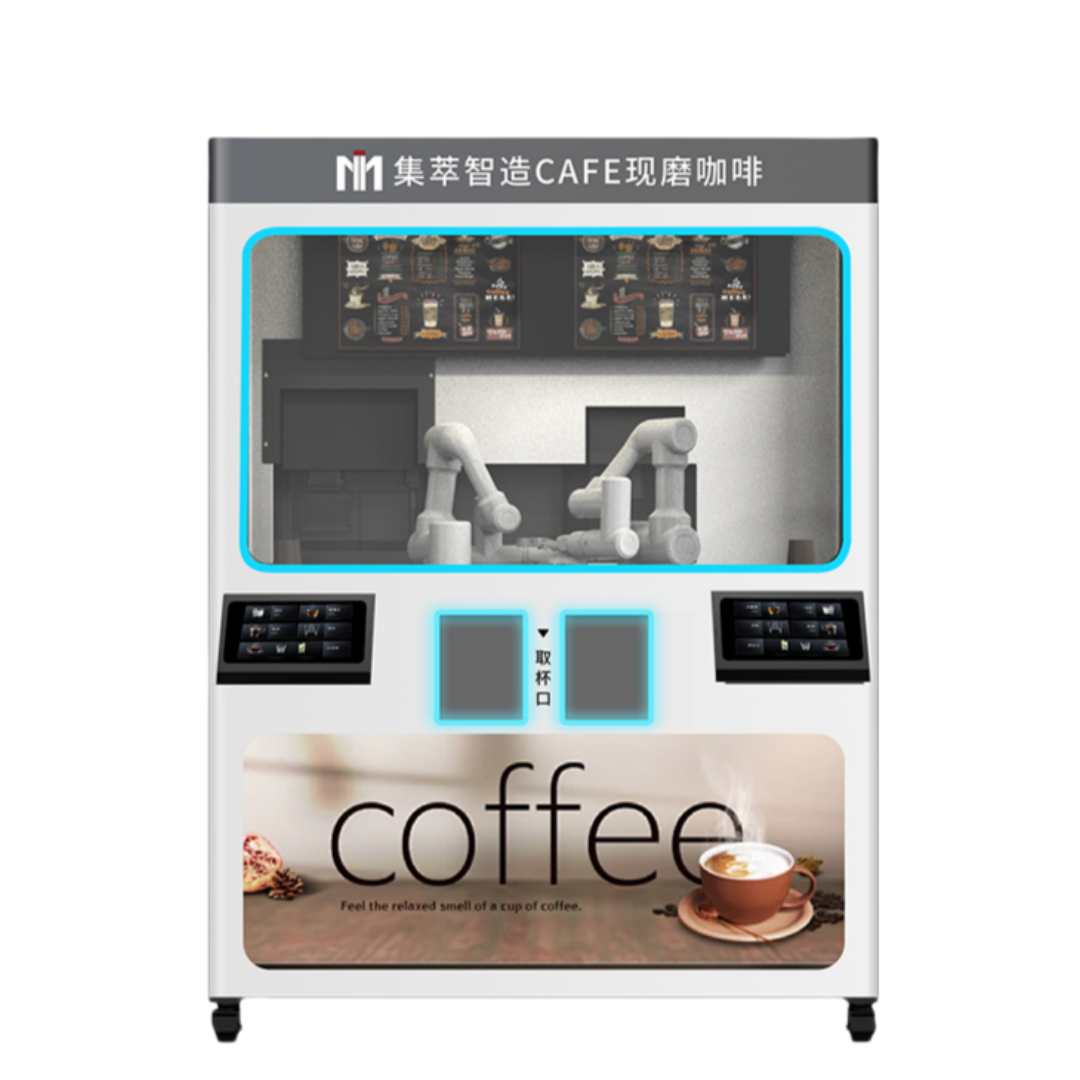
Robot Baristas | Robot Coffee Machine – RC Series
- 24/7 Unmanned Vending: Always on, never closed.
- Tap-and-Go Ordering: Order via app or screen in one tap.
- Fully Customizable: Tailor taste, milk, and even latte art.
- Smart Delivery (Optional): Autonomous robot delivers to your spot.
- Self-Cleaning & Hygienic: Automated UV and steam sanitation.
- Zero-Overhead Model: No labor, no training, no waste.
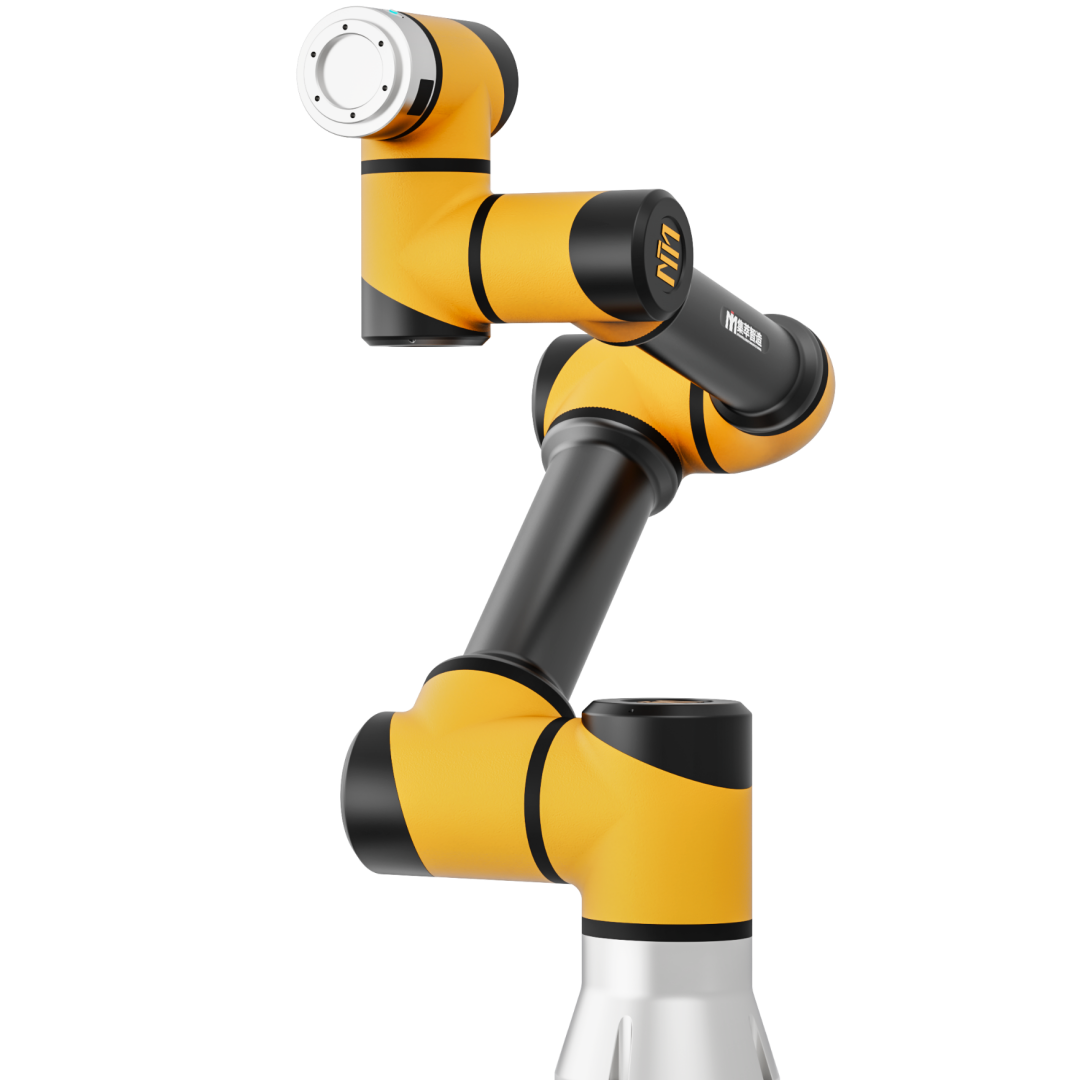
2-30KGS Playload Collaborative Robots | CR Series
- 3-30KGS Playload Options.
- All-in-One Drive & Control, Compact & Lightweight.
- 5000+ Units Globally Deployed, Widely Applied and Verified.
- Safety Assurance, Collision Detection + Permanent Magnet Braking Technology.
- Simple & Smart User Interface, Drag-and-Drop Teaching, Visual & Offline Programming.
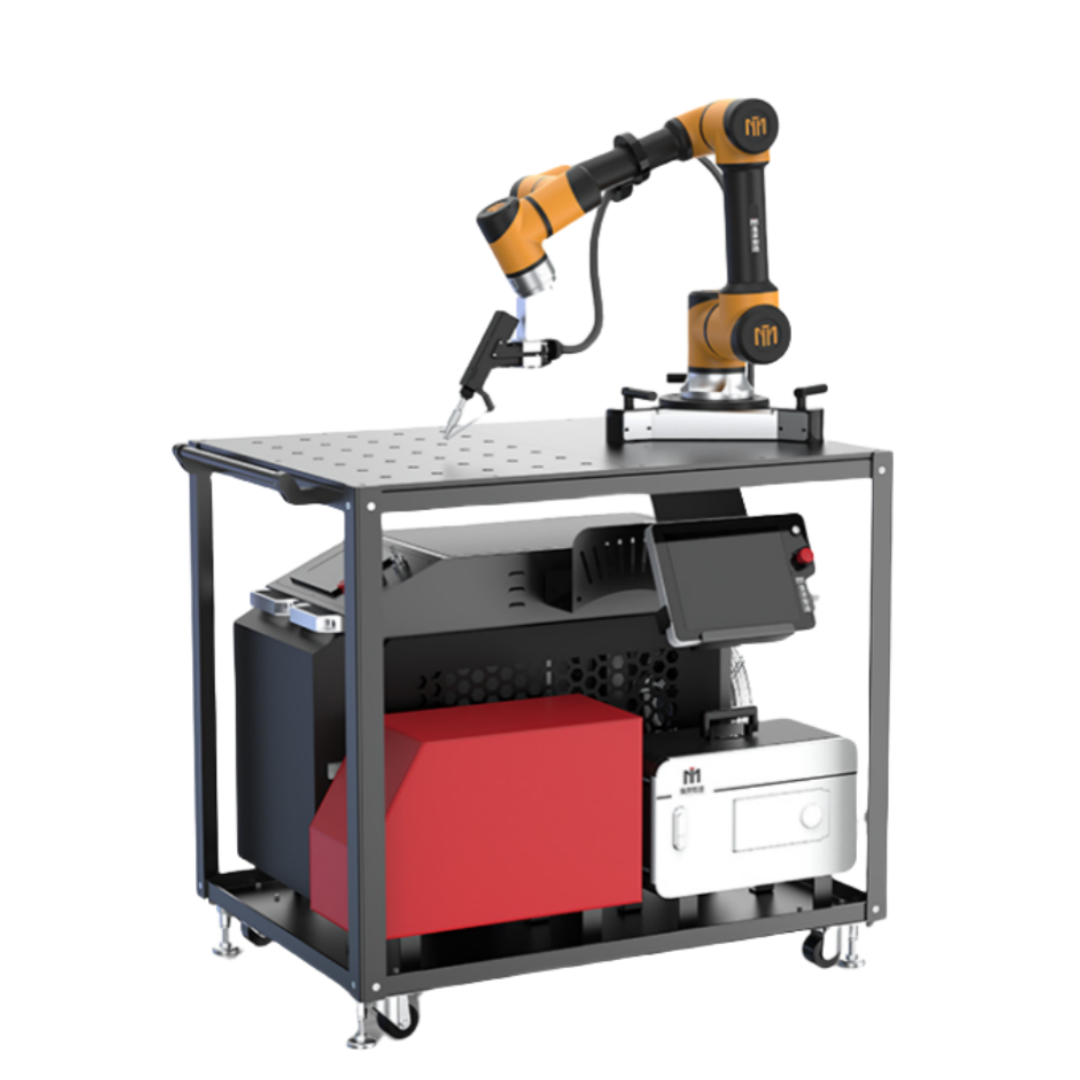
Robotic Cobot Laser Welding Machine – RL Series
- No programming needed: Just drag, click, and laser weld with the intuitive interface.
- Built-in expert templates: Achieve perfect laser welds instantly with one-click operation.
- Move and mount anywhere: Powerful magnetic base allows flexible positioning.
- Smarter laser welding optional: Add AI seam tracking for precision results.
Palletizing Cobot – RP Series
- Deliver non-stop, 24/7 palletizing with ultimate reliability.
- Compact and lightweight design allows for deployment in tight spaces, right on the existing line.
- Intuitive drag-to-teach and graphical programming require no coding skills for instant setup.
- Superior expandability delivers ultimate flexibility, making your operation ready for future challenges.
- Certified safe collaboration with collision detection and permanent magnet braking for worry-free human-robot interaction.
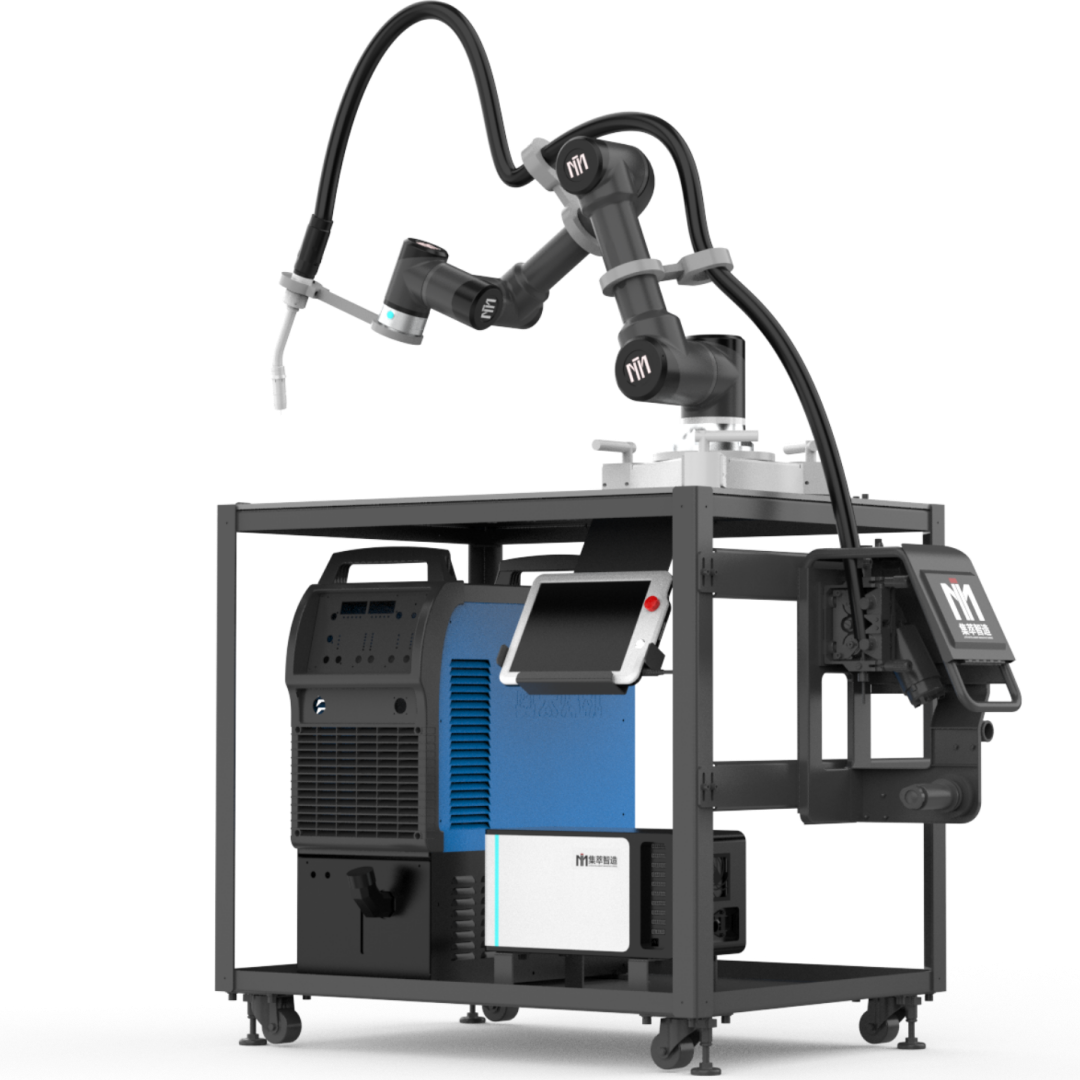
Robotic Cobot Welding Machine – RW Serie
- No programming needed: Just drag, click, and weld with the intuitive interface.
- Built-in expert templates: Achieve perfect welds instantly with one-click operation.
- Works with all major brands: Seamless integration with your existing equipment.
- Move and mount anywhere: Powerful magnetic base allows flexible positioning.
- Smarter welding optional: Add AI seam tracking for precision results.
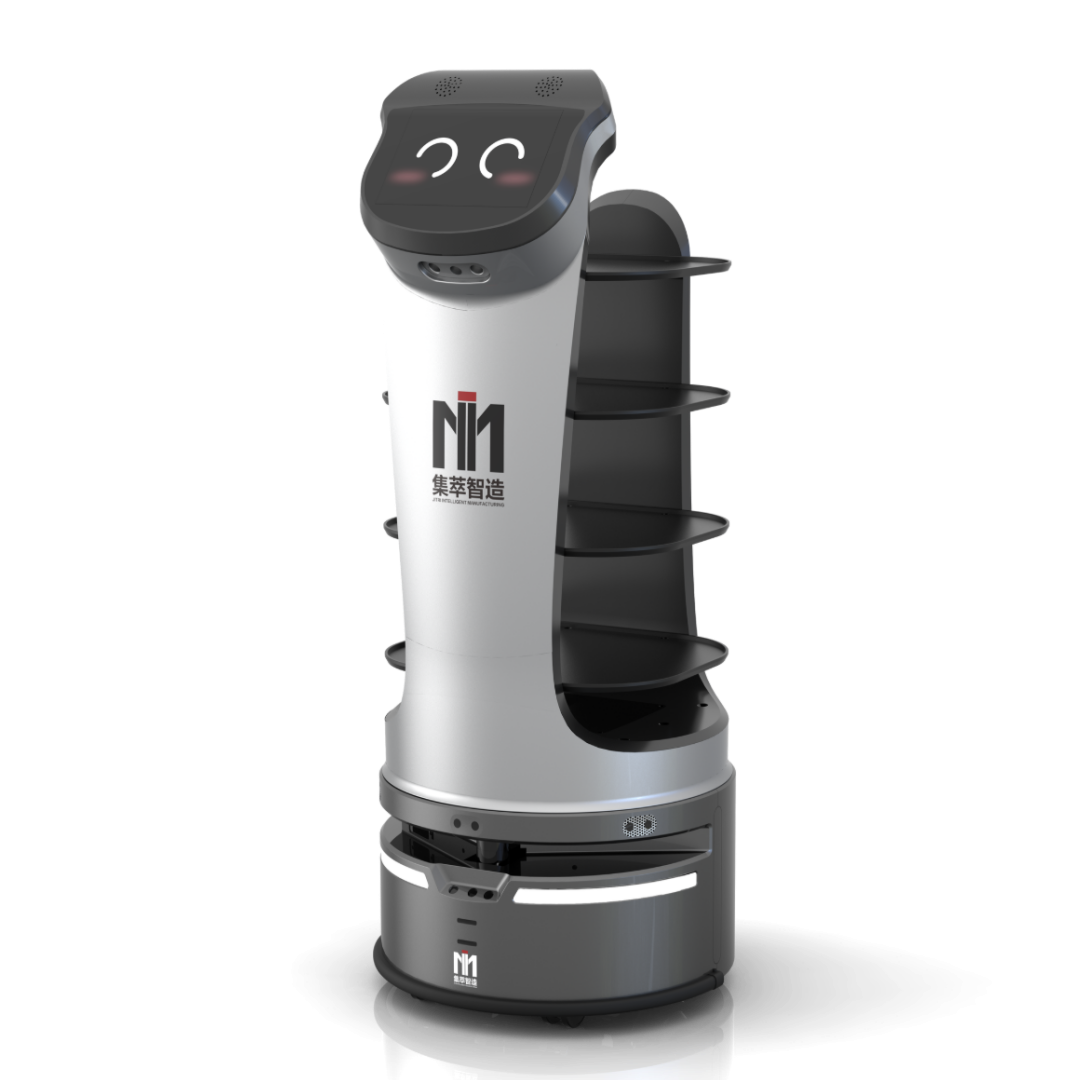
Restaurant Food Serving Robot | RS Series
- 24/7 operation to reduce costs and boost efficiency.
- SLAM-based navigation for pinpoint path planning and accurate delivery.
- Multi-sensor fusion enables nimble obstacle avoidance and safe travel.
- Voice command and touchscreen for simple, intelligent interaction.
- Auto-docking charging for uninterrupted, round-the-clock service.
- Infrared detection to sense item status and confirm delivery.
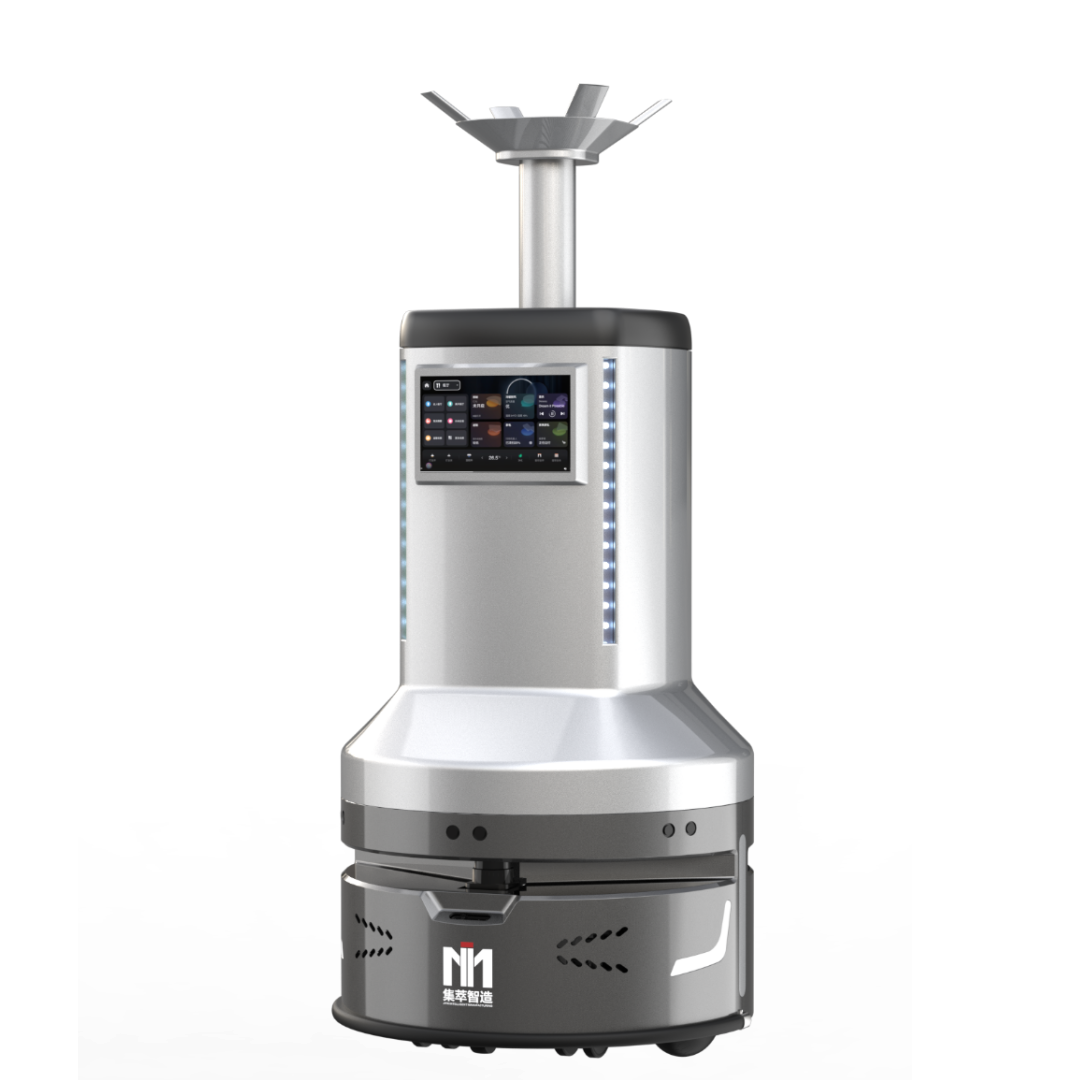
UVC Ultraviolet Disinfection Robot | RD Series
- Dual dry mist and UV-C for 360° air and surface disinfection.
- AI sensing enables safe, autonomous operation around people.
- Leaves no harmful residue and meets all compliance standards.
- Visual maps and reports for easy route management and verification.
The Advantages of Collaborative Robots
The core technical strengths of collaborative robots, or cobots, lie in their safety, flexibility, and ease of use. These three integrated advantages make industrial cobots an ideal automation solution for the smart manufacturing era.
- The safety advantage stems from strict international standards like ISO/TS 15066. In unstructured environments, cobots can automatically detect collisions and immediately slow down or stop. This inherently safe design fundamentally changes the traditional industrial robot model, which requires physical barriers, significantly improving workspace utilization and human-robot collaboration efficiency.
- The flexibility advantage is reflected in modular design and “drag-to-teach” functionality. Operators can physically guide the robotic arm to demonstrate a path, which the cobot can then replicate. This intuitive programming method allows even non-experts to quickly master operation. Additionally, collaborative robots support rapid end-effector changes, adapting to diverse tasks and providing an ideal technical foundation for flexible manufacturing.
- The ease-of-use advantage is fully demonstrated through AI algorithms and voice interaction integration, enabling non-specialists to complete task programming in under 20 minutes—truly achieving “robots that understand human language.” This low-barrier operation greatly expands the application scope of cobot solutions, allowing them to serve more small and medium-sized enterprises that lack specialized technical staff.
Collaborative Robots vs. Industrial Robots
Collaborative robots (cobots) and traditional industrial robots differ significantly in design philosophy, technical implementation, and application scenarios. These differences determine their distinct roles and value within smart manufacturing systems.
| Feature / Dimension | Collaborative Robot (Cobot) | Traditional Industrial Robot |
| Design Philosophy | Safe human-robot collaboration, designed to work without fencing. | High speed, high precision, typically requires safety fencing. |
| Payload Capacity | 3-20 kg (for mainstream models). | From 10 kg up to several hundred kilograms. |
| Operating Speed | Limited by design for safety considerations. | High-speed operation for maximum throughput. |
| Deployment & Setup | Lightweight, flexible, and quick to deploy/redeploy. | Fixed installation, often requiring professional system integration. |
| Programming Method | Hand-guiding (drag-and-teach), intuitive graphical interfaces. | Professional programming (e.g., teach pendant), offline simulation. |
| Safety Features | Built-in force/torque sensing, collision detection, rounded design. | Primarily rely on physical isolation (fences, light curtains). |
| Initial Investment | Generally lower (approx. 3-20K USD for the robot). | Generally higher (approx. 20-100K+USD, excluding peripherals). |
| Deployment Time | Hours to a few days. | Several days to weeks. |
| Ideal Application | Flexible production, human-robot collaboration, low-volume, high-mix. | High-volume, high-speed, dedicated mass production. |
For businesses seeking agile automation, industrial cobots provide a balance of safety, flexibility, and cost-efficiency. Traditional industrial robots remain ideal for heavy-duty, high-speed tasks. Choosing the right solution depends on production needs, workspace constraints, and long-term goals.
Applications of Collaborative Robots in Various Industries
Manufacturing Applications
Collaborative robots, or cobots, have expanded their presence in manufacturing from traditional automotive industries to sectors like electronics, metal processing, and food and beverage. These industrial cobots are driving the intelligent transformation of manufacturing.
Automotive Manufacturing
The automotive industry was one of the earliest and most extensive adopters of cobot solutions. In body shops (welding workshops), collaborative robots handle tasks such as glue dispensing, material handling, dimensional inspection of body parts (like doors and hoods), polishing, and cleaning. During final assembly, cobots play a crucial role in 14 processes across three categories—glue dispensing, visual inspection, and screw fastening—without requiring dedicated work areas. Their easy deployment improves consistency and efficiency.
Notable applications include:
- For irregular parts like automotive salt cores, cobots integrated with 3D vision systems quickly generate gripping paths via drag-and-teach programming, achieving 99.9% precision with setup completed in a single workday.
- In headlight screw fastening, cobots equipped with smart screwdrivers provide real-time torque feedback, reducing defect rates from 5% (manual) to 0.3% and boosting product yield by 12%.
- On engine assembly lines, cobots perform tasks like camshaft lubrication, oil filling, and quality checks, helping Ford increase throughput while reducing repetitive tasks for workers.
Electronics Manufacturing
Demand for collaborative robots in electronics manufacturing, especially in 3C (computers, communications, consumer electronics), has surged. Leading 3C companies like Samsung and Omron use cobots to enable precision manufacturing from semiconductor parts to smart device production. With ultra-precise vision-guided positioning and force control, cobots support micron-level component placement and reflow soldering.
In PCB manufacturing, cobots automate sorting, ensuring accurate board positioning and minimizing human error. Paired with vibratory bowls and vision systems, they streamline handling of disordered materials in 3C production. For tiny components, cobots guarantee precise picking, placing, and assembly, significantly reducing errors.
Metal and Machinery Manufacturing
In metalworking, cobots help address challenges like unskilled labor and inconsistent quality. They allow rapid response to orders of any scale without concerns over staffing, training, or safety. From injection molding to 3D printing, cobots manage multiple machines and can shift to secondary processes like finishing and packaging, freeing employees from repetitive tasks.
Service Industry: Smart Logistics, Retail, and Food Service
Cobot solutions are rapidly transforming service sectors like logistics, retail, and food service through intelligent automation.
Logistics and Warehousing
- A key area for cobots, logistics benefits from palletizing robots integrating arms, force control, and vision. These systems auto-correct placement deviations, while smart algorithms enable 70% more efficient task allocation for robot fleets. In practice, cobots excel at stacking boxes securely and adaptively, reducing downtime with quick reprogramming.
Retail
- In retail, cobots cut labor costs, enable 24/7 operations, and optimize space usage. Smart robotic sales systems also enhance customer engagement and revenue. Beyond sales, they elevate customer experiences and operational efficiency.
Food Service
- Cobots are widely used in food service, from coffee-making to complex cooking. For instance, coffee robots have set industry records with 420,000 fault-free servings, earning global recognition for durability.
Healthcare: Revolutionizing Surgery and Rehabilitation
- Medical cobots show immense potential in surgery, rehabilitation, and device manufacturing.
Surgical Assistance
- Medical cobots prioritize precision, safety, and flexibility across 12 scenarios, including surgery and drug sorting. In orthopedic procedures, cobots using CT data reduce spinal screw placement errors to <0.3mm—three times more accurate than manual methods. Integrated with CT/MRI, they provide real-time 3D navigation for high-risk surgeries like tumor removal, achieving ±1mm tracking accuracy and >90% resection rates.
Rehabilitation
- Cobots assist patients in recovery by simulating natural movements, improving outcomes while easing staff workloads.
Medical Device Production
- For high-precision medical parts, cleanroom cobots offer reliable solutions in drug and device manufacturing.
- Innovations like HIFU robots (with <0.5mm accuracy for non-invasive tumor treatment) and pharmacy robots (99.9% drug ID accuracy) highlight cobots’ medical potential.
Education: STEM and Vocational Training Tools
Cobots are emerging as innovative platforms for STEM education and skill development.
STEM Learning
- Students program cobots to grasp robotics, algorithms, and math modeling, making learning engaging and effective.
Vocational Training
- Cobots simulate real industrial environments, offering hands-on practice. For example, in welding training, they serve as “partners” with standardized guidance.
Emerging Fields: Cross-Industry Innovation
Cobots continue to expand into new areas, demonstrating versatility.
Furniture and Equipment
- They handle complex assembly tasks, boosting quality and efficiency.
Plastics and Polymers
- From molding to 3D printing, cobots manage multi-machine workflows, including finishing and packaging.
Biomedical and Cleanrooms
- Cobots enable hygienic, low-contact production in pharmaceuticals and cosmetics, solving inefficiencies.
By integrating flexible force control and smart adaptation, collaborative robots empower businesses with efficient human-machine collaboration and customized production.